
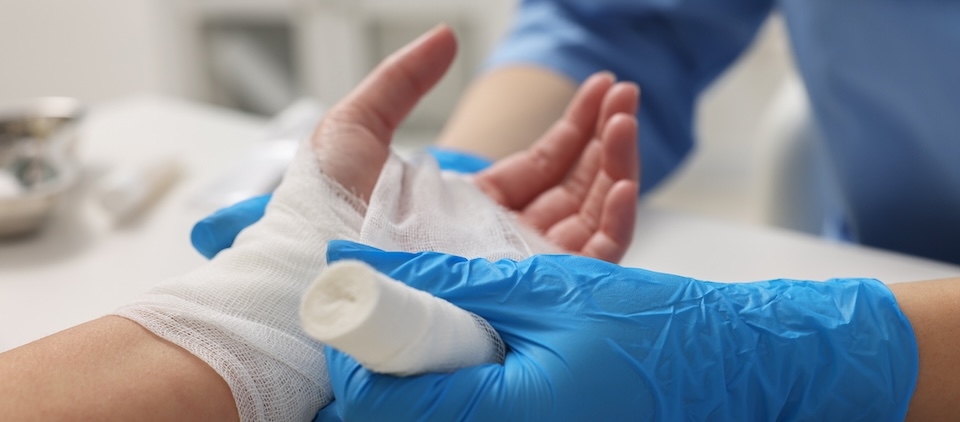

Treatment for Hand Fractures in St. Louis
A broken hand can make even the simplest tasks feel impossible, whether you're gripping tools, operating machinery, or typing on a keyboard. Hand fractures are common injuries that can affect anyone, particularly those with work-related trauma. The good news? With expert care from a leading hand fracture specialist like Dr. David M. Brown, effective treatment and recovery are within reach.
As a board-certified hand surgeon in St. Louis and one of the area's top orthopedic surgeons, Dr. Brown provides personalized, evidence-based care for all hand fracture types, helping patients regain strength, mobility, and confidence. Whether you need a second opinion, conservative care, or hand fracture surgery, you'll receive expert guidance every step of the way.
Understanding Hand Fractures
Your hand is made up of many small bones that support complex motion and function. A hand fracture can involve any of these bones, from the phalanges in your fingers to the metacarpals in your palm. Depending on the type and location of the break, your symptoms and treatment options will vary.
Common Causes of Work-Related Hand Fractures
Hand fractures are a common result of workplace injuries, especially in physically demanding jobs that involve machinery, tools, or repetitive hand use. These injuries can happen in a flash and often require prompt medical attention to avoid long-term complications. Some of the most frequent work-related causes of hand fractures include:
- Slips, trips, or falls resulting in direct impact to the hand
- Accidental crushing or pinching injuries involving heavy equipment
- Repetitive stress or overuse in jobs requiring constant hand motion
- Impact injuries from tools, materials, or machinery
- Falls from ladders, scaffolding, or elevated workspaces
Hand fracture types can range from minor hairline cracks to complex breaks involving joint surfaces or multiple bones. In some cases, hand fracture surgery may be necessary to restore proper alignment and function, especially when the injury affects your ability to return to work safely.
Symptoms
Not all fractures are immediately obvious. If you've injured your hand at work, watch for these common hand fracture symptoms:
- Sudden pain and swelling after trauma
- Bruising or tenderness
- Inability to move fingers or grip objects
- Crooked or misshapen appearance
- Numbness or tingling (if nerves are involved)
- A grinding or popping sensation with movement
If you suspect a hand fracture, it's important to seek medical evaluation right away to avoid long-term complications.
Hand Fracture Treatment Options
At Dr. David M. Brown's practice, we offer comprehensive care for your particular hand fracture type and lifestyle. Whether you're an athlete, manual laborer, or simply trying to get back to daily routines, we'll find the most effective solution to support your healing.
Non-Surgical Solutions
Several hand fractures are treated without surgery, especially when the bone remains aligned. Non-surgical hand fracture treatment options include:
- Splinting or casting to immobilize the fracture while it heals
- Anti-inflammatory medications to manage pain and swelling
- Activity modification to prevent reinjury
- Physical therapy to regain movement and strength during recovery
- Regular imaging and follow-up visits to ensure your fracture is healing properly without complications
When Surgery Is Needed
In more severe cases, such as displaced fractures, joint involvement, or open wounds, hand fracture surgery may be necessary. Surgical intervention allows the bones to be realigned and stabilized using pins, plates, or screws to promote proper healing. Dr. Brown will carefully evaluate your injury and determine whether surgical treatment is the most effective path to a full recovery.
Hand Fracture Recovery Time & Aftercare
Recovery time depends on how complicated the fracture is, your overall health, and the treatment method used. While minor fractures may heal in a few weeks, more complex cases may take several months to fully recover. Learn more about our general post-surgery guidance here.
What to Expect During Recovery
Immediately after treatment or surgery, patients can expect:
- Swelling and bruising that gradually subsides
- Limited use of the hand while in a splint or cast
- Regular follow-up X-rays to monitor healing
As healing progresses:
- Light use of the hand may resume within 3–6 weeks
- Physical therapy will begin to restore range of motion and strength
- Most patients return to normal activities between 6–12 weeks
- Heavy lifting or contact sports may be restricted for longer
Tips for a Smooth Recovery
To support your hand fracture recovery time, we recommend:
- Following all post-treatment or post-surgical instructions
- Attending all scheduled follow-up visits
- Keeping your hand elevated and protected
- Engaging in therapy exercises as advised by your provider
Every patient's healing journey is different—but with the right care, full function is possible.
Dr. David M. Brown, Hand Fracture Specialist in St. Louis
When it comes to treating hand fractures, expertise matters. Dr. David M. Brown is a trusted hand fracture specialist in the St. Louis area with years of experience diagnosing and treating even the most complex hand injuries. As one of the top hand surgeons in the area, here’s what you can expect from your experience with Dr. Brown:
- Extensive surgical experience in both orthopedic and plastic hand procedures
- State-of-the-art imaging and diagnostics to pinpoint your injury
- Minimally invasive techniques when possible to reduce pain and downtime
- Compassionate, individualized care that prioritizes your goals and comfort
- Comprehensive workers' comp care for patients with job-related injuries
Whether you're seeking relief from a recent injury or struggling with delayed healing from a previous fracture, Dr. Brown is committed to restoring your hand function safely and effectively.